
South Carolina Wanted Lists
South Carolina has no single public roster that merges local warrants, state supervision cases, prison escapes, alerts, and federal fugitive files. The state public-safety hub gathers the official services instead. That hub points to the South Carolina Department of Probation, Parole and Pardon Services (SCDPPPS), the South Carolina Department of Corrections (SCDC), the South Carolina Law Enforcement Division (SLED), and federal tools. Every agency sets its own definition of wanted. Every agency takes tips its own way too.
Wanted entries change fast. A person gets arrested, turns themself in, or simply stops being sought. The SCDPPPS page splits entries into at-large and captured status. Screenshots, reposts, and old news stories miss those shifts. Check the agency's own page on the day you search. Read the status notes too.
The official SCDPPPS Most Wanted page lists the people that agency is trying to locate. A card there can carry a name, county, physical description, identifying marks, original offense, and current status. Those details come from the agency's request. A similar looking stranger is not a match. Never identify or confront anyone from a card. The list treats entries as notices and routes tips straight to the agency.
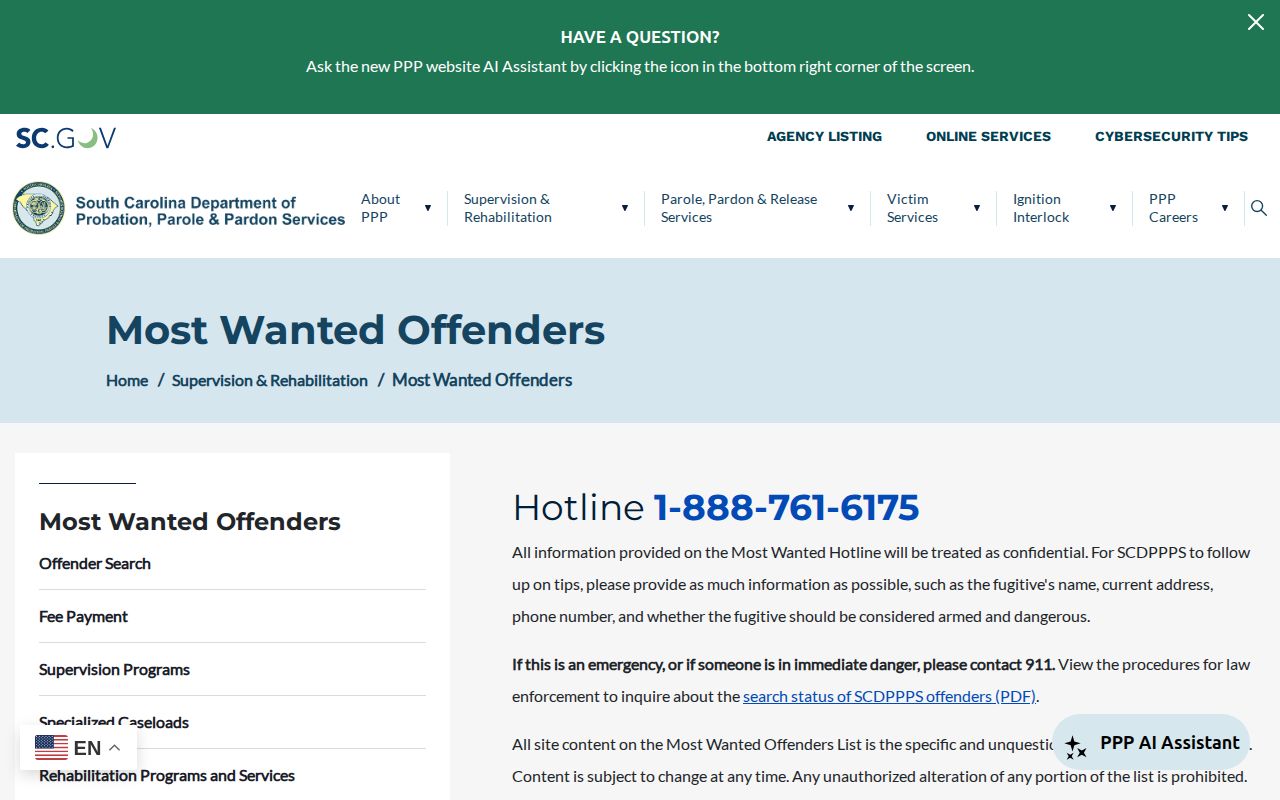
The image displays the agency's own list rather than a live count. Follow the official page for any later status change.
South Carolina Fugitive Sources
The agencies do not share one database. Wanted can mean supervision, an escape, or a federal case. Use the link that matches the agency named in the notice.
| Source | What it covers | Photo or list detail | Official route |
|---|---|---|---|
| SCDPPPS | People sought by state probation, parole, or pardon services | Cards may show status, name, county, description, marks, and original offense | Most Wanted Offenders |
| SCDC Criminal Investigations | Escaped inmates and fugitive information tied to state corrections | Agency information and ways to contact investigators; public inmate search excludes current fugitives | Criminal Investigations |
| SLED and state alerts | Alerts and records linked through the state safety hub | An alert may concern a suspect, missing person, or safety event; it is not always an arrest list | Public-safety hub |
| U.S. Marshals Service | Federal fugitive work, including the Carolinas Regional Fugitive Task Force | The district page reported no fugitive information at the time reviewed; the national list is not a South Carolina roster | South Carolina district |
One result never speaks for the rest. The SCDC public inmate locator covers people sentenced to and incarcerated in SCDC. Current SCDC fugitives are excluded from it. The USMS district page spans all 46 South Carolina counties. It carries no fugitive information, which does not mean federal law enforcement has no cases or that a county warrant has been cleared. The national U.S. Marshals 15 Most Wanted list stands apart. It is not a South Carolina county roster. The district page names the Carolinas Regional Fugitive Task Force as well. A missing name there says nothing about a local warrant. For a specific case, use the named agency and its court route.
Note: Agency pages can change between checks, so confirm the live status before relying on a saved copy.
What Wanted Cards Show
The SCDPPPS card covers the person and the status. Treat the details as agency-reported identifiers. A matching name, age, or tattoo still needs official confirmation before it counts.
| Field | How to read it |
|---|---|
| Status | At-large or captured status is a page-level update and can change. |
| Name and county | Use the listed spelling and county as starting details, not sole proof of identity. |
| Description | Physical details may include scars or tattoos, but those details can be incomplete or old. |
| Original offense | This is the agency’s stated basis for the listing, not the court’s result. |
| Tip direction | Use the named agency’s official phone or web route; call 911 for an emergency. |
A wanted card is not a booking record. A booking record documents an arrest. A fugitive notice instead asks the public to help an agency locate a person. A court case file holds the later hearings and the court's result. One name can appear in several of them. The events and dates may differ each time.
The SCDC locator draws its own line: current sentenced inmates as of midnight the prior day. Released people, county detainees, community-supervision cases, and current SCDC fugitives are all left out. The SCDC disclaimer explains that limit. A missing profile is not proof a person is free of a warrant, and the SCDC search disclaimer names the groups the public search omits.
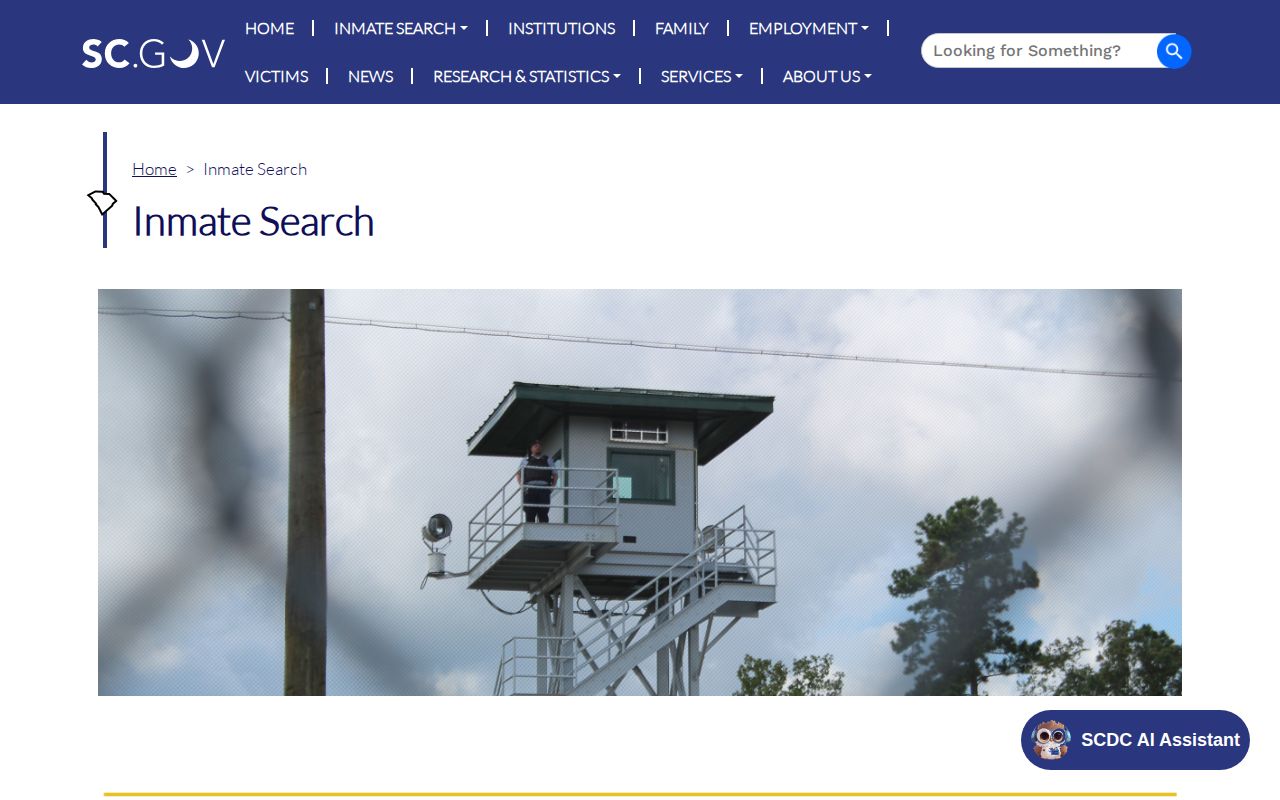
Match the custody system to the question you have. County detention, state prison, community supervision, and federal custody each keep distinct records.
South Carolina Federal Custody
The Federal Bureau of Prisons locator covers federal inmates from 1982 forward. Search it by name or register number. It offers no booking photos. The BOP inmate locator runs that separate federal custody search, and it cannot tell you whether a county warrant is active.
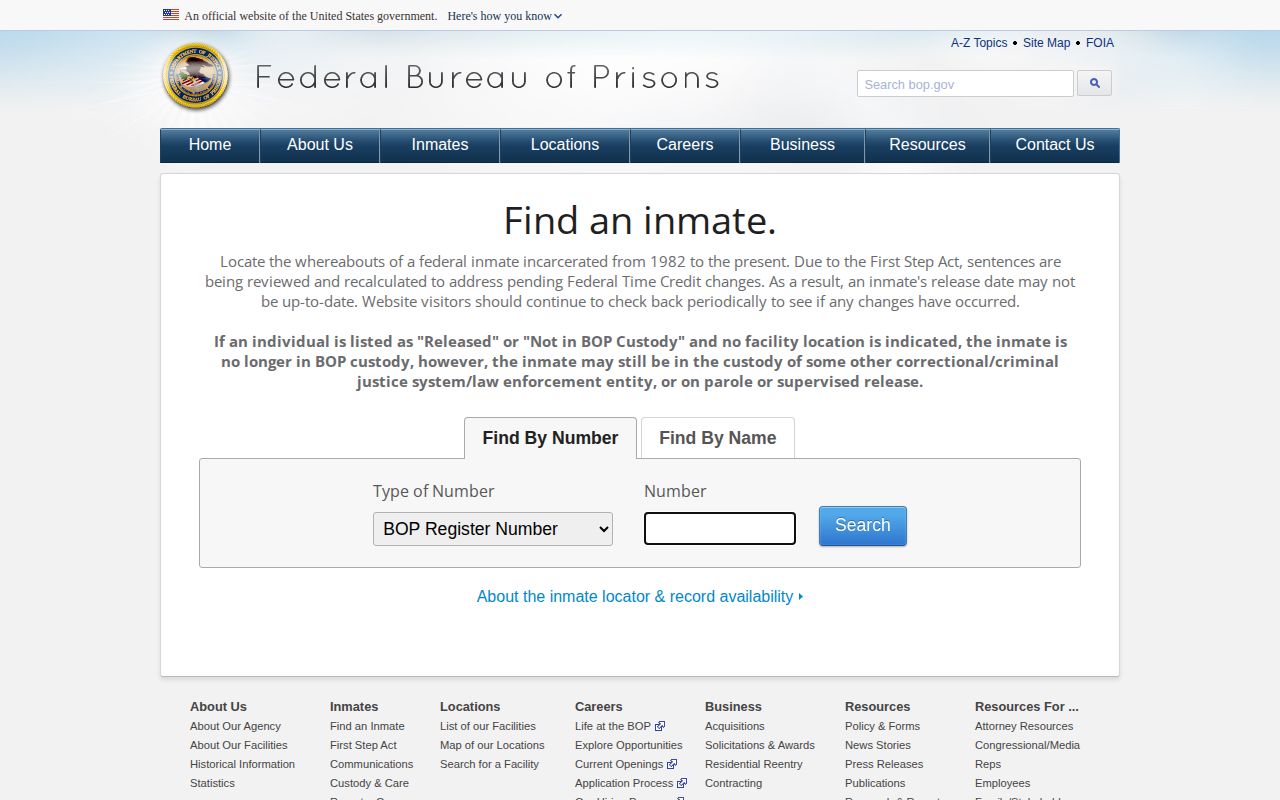
A BOP match answers only the federal custody question. It does not establish a county booking, show a booking photo, or confirm whether a South Carolina warrant is still active.
South Carolina Warrant Checks
A warrant is a court's permission slip for police action. South Carolina's public-safety hub gathers wanted-person and alert services in one place. No single official search covers them all. Active county, municipal, magistrate, and state warrants sit in separate systems. One name lookup can never clear a person. A booking entry proves nothing about a warrant either.
Start with the place and agency named on the notice or court paper. The Court Roster Search from South Carolina courts lets you pick a county, city, or ZIP. It links out to county public-index rosters, with special routes for Charleston and Greenville. The separate trial-court portal may apply as well. Both tools rely on browser JavaScript and cookies. Results can vary by county, so work the sequence: place, agency, court, then record.
- Write down the county or municipality, case number if known, court level, and date from the source document.
- Search the Judicial Branch roster and the relevant county public index. Try a name only as a lead, then compare the case number and date.
- If the matter may be in summary court, use the appropriate magistrate or municipal route instead of assuming it is in general sessions.
- Ask the court clerk or law-enforcement agency named in the record how to confirm current status. If a warrant may apply to you, speak with a licensed attorney about safe next steps.
Treat the court portals as research aids. They are not clearance certificates. A portal can fail to load or omit a record entirely. It may show a case event. It may say nothing about whether a warrant still stands. So a blank screen, a missed name match, a release date, or an old arrest story should never lead you to assume a case is closed.
The arresting place can be unclear. The South Carolina County Directory helps you pin down the local agency and its court route. Note: A court's case record and an agency's current warrant status may sit in separate systems, so confirm with the responsible office.
South Carolina Tip Reports
Send a tip to the agency that published the notice. The SCDPPPS page offers a confidential tip hotline. It directs callers to 911 in an emergency. The SCDC Criminal Investigations page posts the correction agency's fugitive line and email. USMS tips belong on its district or national official page. The state hub helps when you need to figure out which service owns a notice.
Open the official notice before you report. Note the agency, date, and instructions on it. Skip private reposts, social-media comment threads, and general news desks. A screenshot can miss the agency's current status and safety directions. Someone in immediate danger? Use emergency services, not an online form.
- Open the agency page from the state hub and confirm that the notice is still live.
- Use the confidential hotline or tip route named on that agency page. For an emergency, call 911.
- Share only what you directly know, such as a location or time. Do not follow, question, photograph, or detain the person.
- Let investigators assess the information and make any contact. Do not post an unverified name or image yourself.
Some SCDC notices mention rewards for information leading to the capture of escaped inmates. A reward changes nothing about safe behavior. Report through SCDC's published route. Take no action yourself. The agency may hand a tip to local law enforcement. SCDC's fugitive-information page lists its contact route and points the public toward law enforcement.
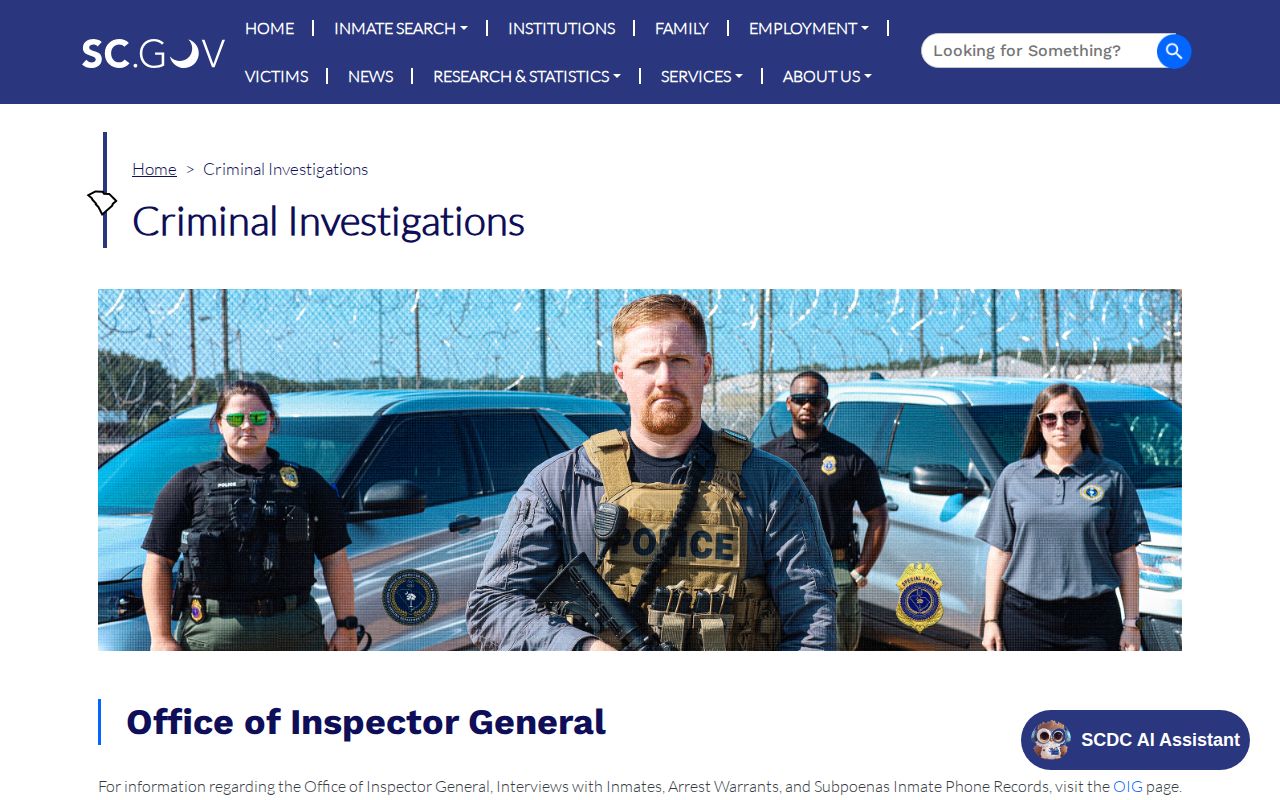
Want context on a state case? Compare the notice against official case records and their dates. A fugitive listing may describe the alleged offense, but only the court file can show a later plea, dismissal, acquittal, or sentence.
County Wanted Lists in South Carolina
County sheriffs and municipal departments often publish wanted-person notices of their own. The statewide sources above don't replace those local pages. Begin with the county or city tied to the case. Then check that sheriff or police department directly. The state's public-safety hub indexes selected services. It is not a master list of every local warrant or fugitive notice.
Here's a wrinkle worth knowing. The arresting agency, the detention county, and the court county can all differ. City police may arrest someone and book them into a county facility. The case may then surface under a municipal or magistrate court. Regional detention deals can even send a person to a jail outside the arresting county. Rely on the named agency and case papers. Don't trust a county name lifted from a news story.
A missing local web list doesn't mean the warrants don't exist. Some departments offer no public search. Some post only selected notices. Others require a direct question to their records or court office. Check the county site for its actual practice. If the answer could affect your own case, have a lawyer contact the court or agency safely.
The South Carolina booking and mugshot search page sorts out a statewide difference. It covers county custody records, SCDC offender records, and court dispositions. A wanted notice answers a different question than a fresh booking. It asks for help finding a person. A roster logs who a local system is holding or processing.