
Where Old Busted Mugshots Live
Begin with the office that made the record, not a name typed into some private mugshot index. One arrest can leave paper in many places. A county jail, a sheriff, a police department, a magistrate, a General Sessions clerk, corrections, even a newspaper. A court file may show the charge and its later result. An intake register may show the booking date. Neither one proves a photo was made or kept. The South Carolina Department of Archives and History anchors any statewide search. Its Research and Genealogy page ties together the Online Records Index, the Online Catalog, and the SCERA digital repository. Its Historical Repository Directory maps state, county, municipal, court, and agency holdings. A collection entry still promises nothing about a photo. The linked SCDAH page lists each of these tools.
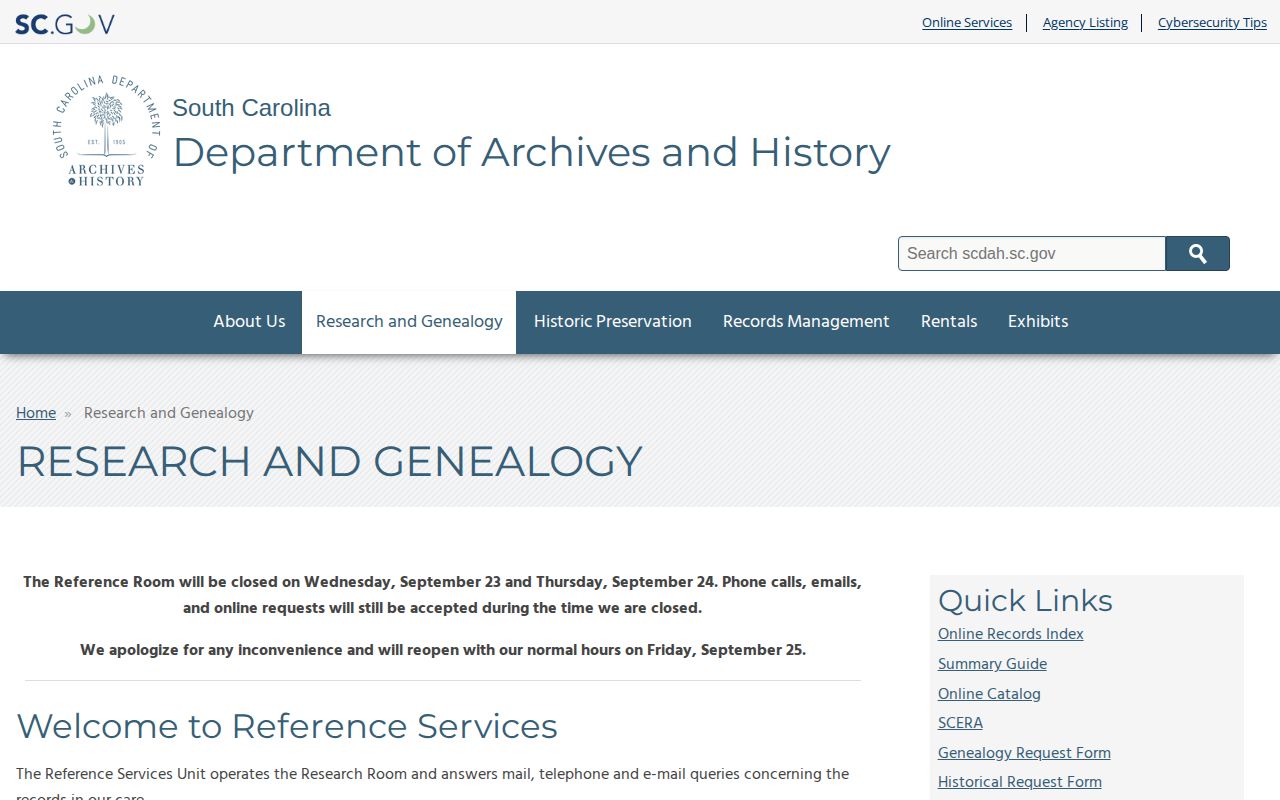
A catalog entry is a finding aid only. Digitization is never promised for every item. Ask the reference staff whether the series holds photos, mugshot books, identification sheets, commitment records, or just text registers. A good series description helps them check what physically survives.
Search South Carolina Archive Indexes
Each tool at the archives does a different job. The Online Records Index tracks indexed names. The Online Catalog and Summary Guide describe whole collections and record groups. SCERA carries digitized material. When an item stayed with a county or city, the Historical Repository Directory points to the local holder. A hit may point to a series rather than its contents. A blank search proves nothing either way. The table separates official archive routes from records held elsewhere, and the collection description, not the era label, sets what you can request.
| Collection or route | Where it is held | Era covered | How to use it |
|---|---|---|---|
| Online Records Index | SCDAH | Indexed series only | Search names and record terms; follow the item or series notes. |
| Online Catalog and Summary Guide | SCDAH | Varies by collection | Look for the creating office and series description, then ask whether photos survive. |
| SCERA digital repository | SCDAH | Digitized holdings only | Search the repository; online availability does not cover every physical item. |
| Local historical repositories | County, municipal, court, or agency archives | Set by each collection | Use the Historical Repository Directory to identify the likely custodian. |
| Agency and court files | Creating office or clerk | Controlled by the applicable schedule | Ask the records custodian about retention, transfer, and access limits. |
Plan on running separate searches. The Online Records Index, the Online Catalog, and the SCERA repository do not share results. A collection may sit with a local office. The Historical Repository Directory names the holder. A statewide name search reaches only as far as its indexes reach. A sheriff's paper register may never have been indexed at all. A court docket, though, may differ. It may be searchable by case number. Even a hit can name someone without showing a photo. Read the catalog terms and ask what the entry describes before ordering a copy. One index entry covers a narrow slice of a larger collection.
Which Old Busted Records Survive?
No single rule governs which South Carolina booking images survive. One county keeps electronic intake records current. Elsewhere an old photo was destroyed under its schedule. A historical court file can outlive the jail photo. Sometimes the agency still holds the image with no public copy online. A blank result says only what that index exposes. So work the era and the agency together. Search collection terms like "penitentiary," "prison," "corrections," "convict," "inmate," "sheriff," "jail," and "criminal court," paired with the county name. Then ask whether the series holds photographs, description sheets, mugshot books, commitment records, or only text registers. The word "inmate" in a title guarantees no photo. Old material may also carry privacy, condition, or reproduction limits. Private sites do preserve dated listings. They are not state archives. Mugshots.com's South Carolina state directory exposes legacy county material, but it works only as a secondary index, not a government record, and it verifies neither current custody, wanted status, nor a current photo.
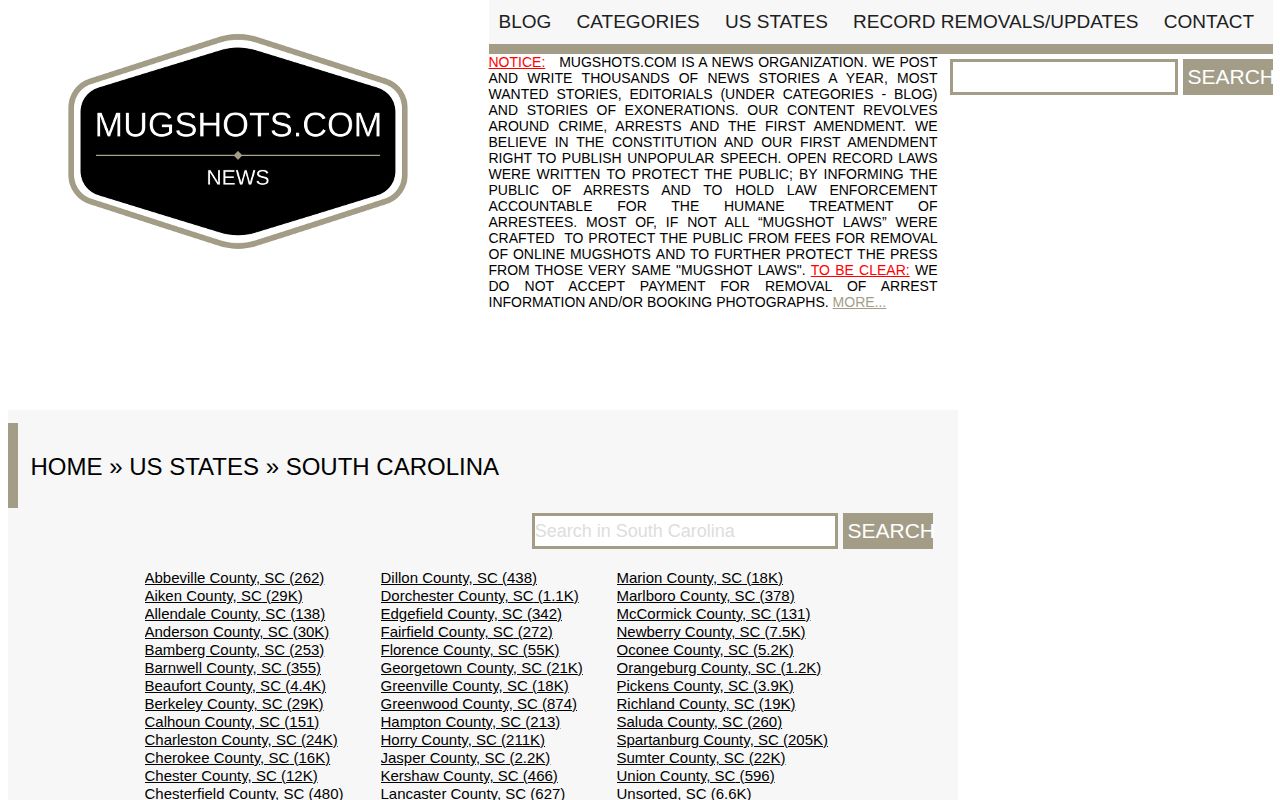
Treat any old listing as a dated lead. It proves no current arrest or warrant. It may not even show how the case ended. Check the source and date, confirm the later court result, and rely on the agency record rather than the private archive that copied it.
South Carolina Retention and Transfer
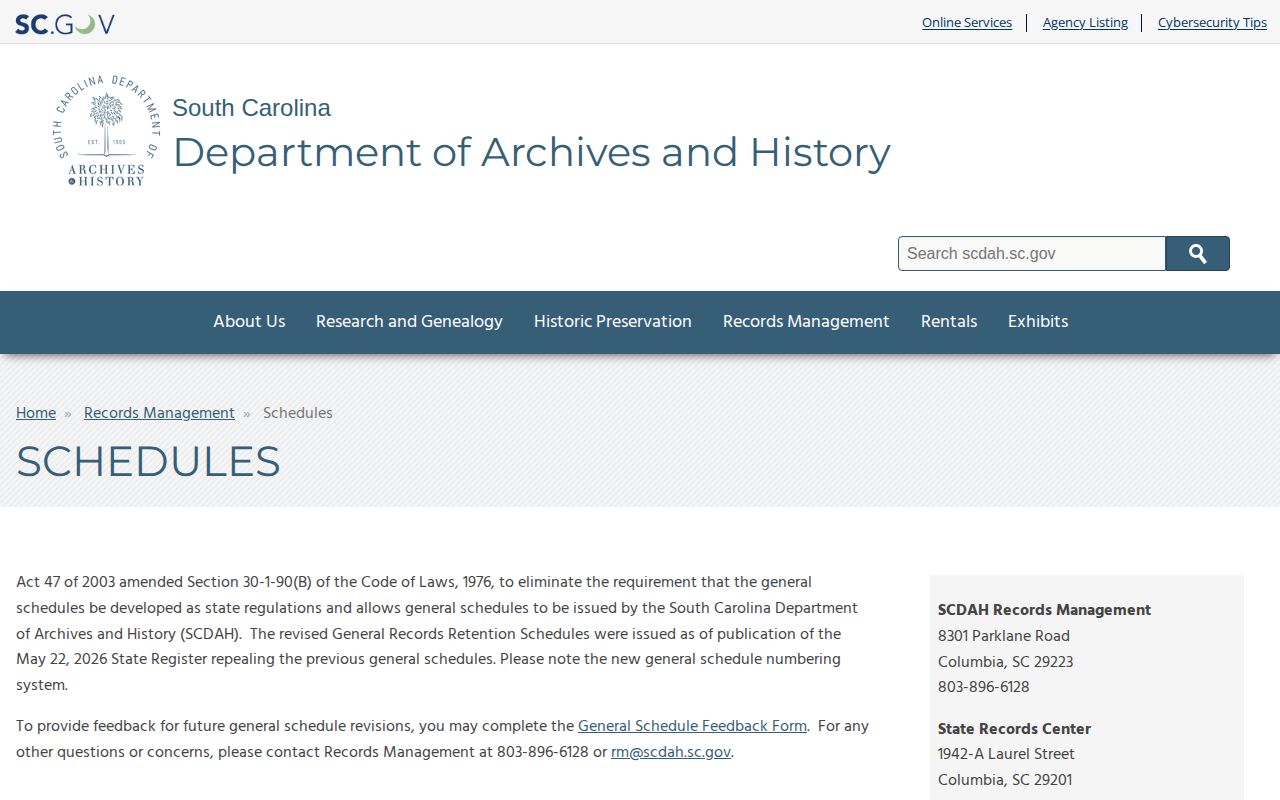
Retention schedules set how long an office keeps each record type. They also permit destruction or transfer. No single statewide period covers every booking photo. SCDAH issued new General Records Retention Schedules on May 22, 2026. The new schedules replace the prior general schedules. Local schedules cover county and municipal offices, clerks of court, and probate records. They also cover magistrate and municipal courts. Which schedule applies depends on who created the record and how it is classified. The SCDAH schedules page identifies the current version and the local sets. A schedule binds only the records in its scope. It reaches no digital copy or litigation hold. A clerk's criminal case file and a jail booking image can follow entirely different schedules.
How long does an old booking photo last? The answer depends on a retention schedule. The State Records Center guidance lays out two possible paths: temporary storage at the center, or transfer to permanent archival care. Inactive state records can sit in storage for common stretches of three to ten years. After that, files with permanent value move on. That timeline is a general one, though, and no particular mugshot is guaranteed to survive it. Local schedules and state schedules may treat records of the same broad type differently, since rules follow the office that created the file.
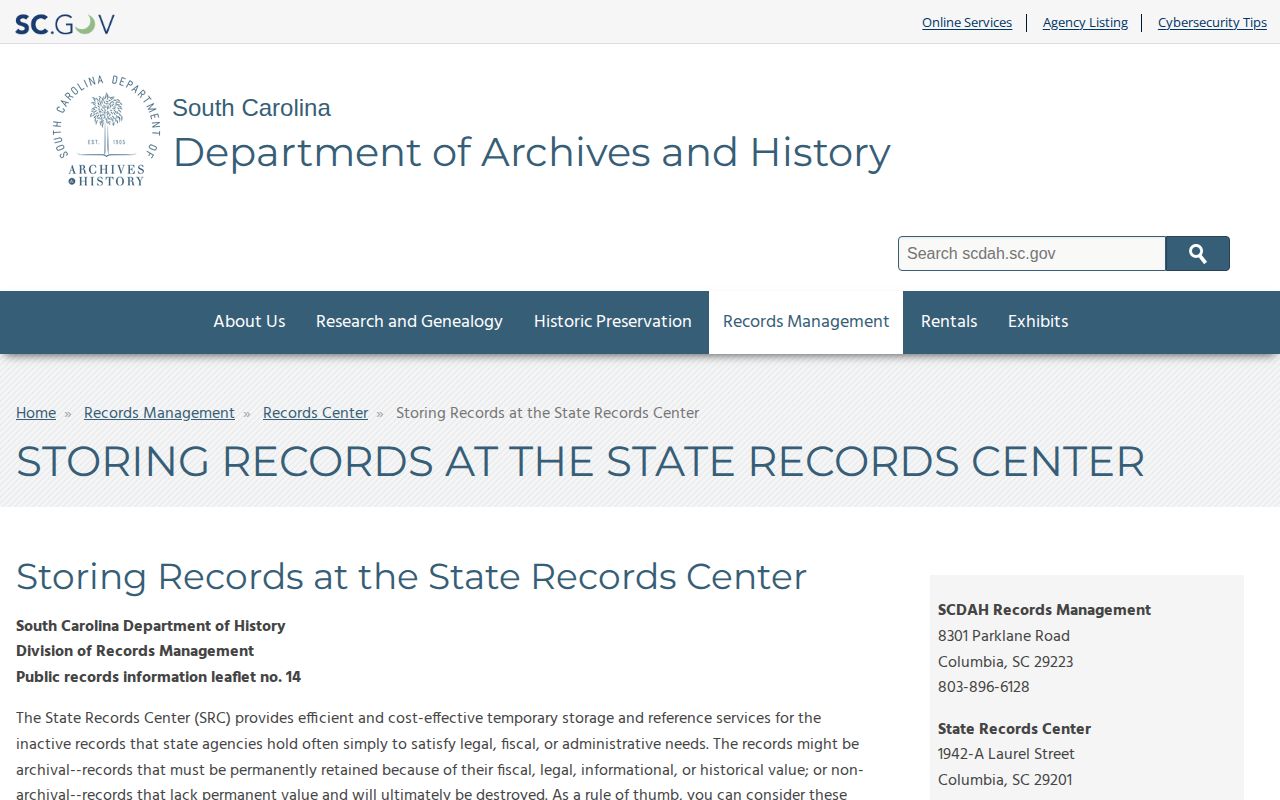
That lifecycle has a practical lesson. Before assuming an agency still holds an image, request the record series and schedule number. The records office can then tell you three things. It may hold the material or have transferred it. It may also have destroyed the material under an approved schedule. Schedules name their record type and office. Keep the booking image or register distinct from a court file. A retention period binds only the exact combination the schedule lists.
Request Old Busted Mugshot Records
SCDAH Research Room and Reference Services offers indexes, microfilm, and copying help. Staff also support research by mail, phone, or email. Start with the online tools. Then narrow the request. A name by itself can match several records. So add a county, a date range, a court, a facility, or a record type. Staff get a much better path that way. When you want a photo, ask plainly. Does the collection hold an image, or only a written register? Keeping the image question apart from a general case inquiry saves everyone time.
- Write down the full name and any known aliases, the approximate date or range, and the county or agency involved.
- Search the Online Records Index and Catalog. Note the exact collection title, series number, or item description if one appears.
- Ask SCDAH or the current agency custodian whether the series holds a photo, a register entry, a commitment record, or a court file, and whether it is open for research.
- Ask about copying, fragile material, reproduction rights, privacy limits, fees, and whether a digital copy can be sent.
- If the record is still held by a local office, send the request to that creator under South Carolina’s Freedom of Information Act (FOIA), and name the record type and date range.
SCDAH offers two statewide entry points for old busted mugshot questions. Records Management answers (803) 896-6128 and rm@scdah.sc.gov. Reference Services lists (803) 896-6104 on its Research and Genealogy page. Neither office can promise in advance that a photo still exists. For an inactive agency file, ask the records custodian or Records Management whether a transfer record names the repository now holding it. Before mailing private identity papers, learn what a reading-room visit, copy request, or restricted-material request actually requires.
Archive Requests Need Specific Details
Three archive terms keep a historical search straight. The "creator" is the office that made or received the record. A "series" is a group of records kept together. They share one purpose or schedule. A "finding aid" describes a collection, though it is not the collection itself. The catalog may use all three terms even for items that never got digitized.
- Record creator
- The agency, court, or office that first made or kept the file.
- Retention schedule
- The approved rule for keeping, destroying, or transferring a type of public record.
- Finding aid
- A catalog description or index entry that points to a collection or series.
- Disposition
- The result recorded by a court, such as a dismissal, plea, or conviction.
- Archival transfer
- The move of records with lasting value to a repository for permanent care.
Compare two requests. "An old mugshot from South Carolina" identifies no series at all. Instead, ask for a booking photo or intake register. Supply the person's name, the county, and a date range of roughly three years. A custodian can search with that. If the case reached court, remember the clerk may hold a different record than the jail kept.
Old Busted Photos Versus Current Custody
SCDAH describes records that were preserved. County jail sites often show only a current window of inmates. SCDC's offender search tracks state-prison custody alone. An old image tells you nothing about where a person sits now or how a later case ended. It also cannot prove that any current public image exists.
| Record route | What it can show | What it cannot establish by itself |
|---|---|---|
| State or local archive | A cataloged historical file or preserved item | Present custody or a complete arrest history |
| County jail roster | Current or recent custody, subject to local publication rules | That an older booking photo still exists |
| Court record | Filed charges and case events recorded by the court | That a booking image is part of the court file |
| Private mugshot index | A secondary lead that may copy older county material | Official status, current custody, or a final case result |
Need a current intake file instead? Use the County Directory to reach the right booking custodian. The South Carolina records overview explains how rosters differ across the state. For older material, follow the archive steps above. Then confirm the disposition with the court. Booking, court, and archive files may each sit with a separate office.